
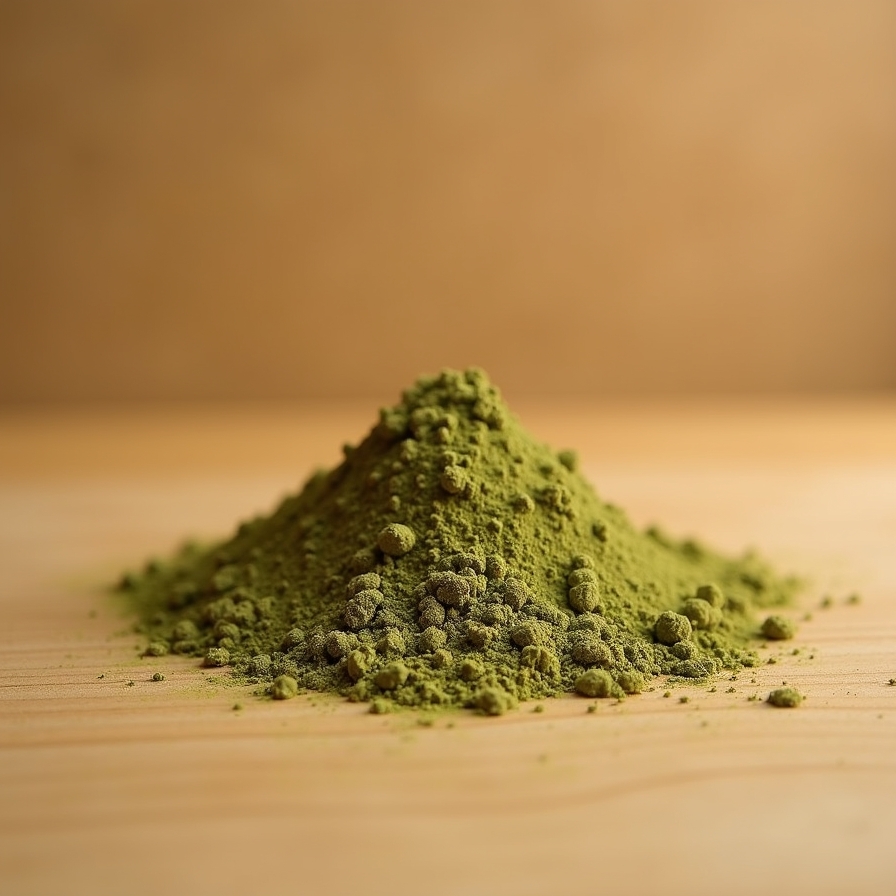
The short answer is yes, kratom is legal in Florida for adults 21 and older since 2023, but the full story is more nuanced than it appears. Between state regulations, surprising local bans, and new 2025 restrictions, navigating the kratom legal landscape in the Sunshine State can feel like walking through a legal minefield.
What Exactly Is Kratom and Why All the Fuss?
Before diving into the laws, let’s talk about what this mysterious plant actually is. Kratom (Mitragyna speciosa) is a tropical tree native to Southeast Asia where it has been used for centuries in traditional medicine. Its leaves contain compounds that can produce opioid-like and stimulant effects, depending on the dose.
Why do people use it? Many consumers turn to kratom for chronic pain management, anxiety, depression, or even to help with opioid withdrawal. Think of it as the controversial cousin of your favorite herbal supplement: promising for some, concerning for others.
The Legal Landscape in Florida: The Consumer Protection Act
The Big Win of 2023
Here’s the news that probably brought you here: kratom is completely legal in Florida thanks to the Florida Kratom Consumer Protection Act, implemented in 2023. Governor Ron DeSantis signed this legislation sponsored by Senator Joe Gruters, making Florida the eleventh state to pass specific kratom legislation.
But here’s the important detail: you must be 21 years or older to purchase, possess, or consume kratom products. Selling kratom to anyone under 21 is a second-degree misdemeanor, punishable by up to 60 days in jail and a fine of up to $500.
What Does This Mean For You?
If you walk into any convenience store, gas station, or vape shop in Miami, Orlando, or Jacksonville, you’ll see clear signs next to kratom products stating: “SALE OF KRATOM TO PERSONS UNDER 21 YEARS OF AGE IS PROHIBITED. PROOF OF AGE IS REQUIRED FOR PURCHASE.”
This requirement isn’t just a suggestion. Retailers who violate this rule face administrative fines of up to $5,000 per violation, permit suspension, permit revocation, or any combination thereof.
The Exception That Proves the Rule: The Curious Case of Sarasota County
Wondering if there’s a catch? Well, yes there is, and it’s important if you live, work, or travel through a certain area of Florida.
Sarasota County banned kratom in 2014, labeling it a “designer drug.” This means possessing kratom in Sarasota County is illegal, period. Doesn’t matter your age, doesn’t matter the product type: it’s banned.
Imagine driving from Tampa to Sarasota with your bag of kratom in the car. You cross the county line and suddenly what was legal becomes illegal. It’s confusing, I know. This is one of those legal quirks where local jurisdictions can create their own restrictions stricter than state laws.
Practical tip: If you’re planning to visit Sarasota (their beaches are beautiful, by the way), leave your kratom products at home.
The 2025 Twist: The 7-OH Ban
Just when you thought you understood the rules of the game, Florida changed the cards on the table in 2025.
What Is 7-OH?
7-hydroxymitragynine, known as 7-OH, is one of the most potent active alkaloids in kratom. In natural kratom leaves, 7-OH levels are low. But some manufacturers started selling isolated or concentrated forms of this compound, which are much stronger and often marketed as “natural” or “health” supplements.
The Emergency Rule
In August 2025, Attorney General James Uthmeier issued an emergency rule that immediately prohibited the sale, possession, and distribution of any isolated or concentrated form of 7-OH. The state classified 7-OH in the same category as heroin and LSD: a Schedule I substance.
Why this drastic action? The Florida Department of Health and local agencies reported a recent increase in emergency room visits and adverse health incidents related to kratom, particularly among people under 25. Products were often sold in gas stations, vape shops, and convenience stores, sometimes in packaging designed to attract teenagers and young adults.
Important clarification: Kratom itself remains legal. What’s banned are concentrated 7-OH products.
Quality Requirements and Manufacturer Regulations
Florida didn’t just legalize kratom and leave it at that. The law establishes strict quality standards that protect consumers from adulterated or dangerous products.
Permits and Standards
| Requirement | Detail |
|---|---|
| Establishment permit | Distributors must have a permit as a Food Establishment under Section 500.12 |
| Annual fee | $650 for establishments distributing kratom products |
| Manufacturers | Must follow Chapter 500 Florida requirements and 21 C.F.R 111 |
| Prohibited substances | Products cannot contain controlled substances or other prohibited substances |
| Laboratory certification | Department of Agriculture must certify certain laboratories |
What Does “Quality” Mean in the Kratom World?
Kratom products sold in Florida must meet an identity standard and cannot be adulterated. This protects consumers from contaminated products (some studies have found lead in poorly regulated kratom products) or those containing dangerous synthetic alkaloids.
Where You Can Legally Buy Kratom in Florida
Now that you know the rules, where can you safely and legally get kratom?
Retail options:
- Specialized smoke and vape shops
- Some natural supplement stores
- Gas stations and convenience stores (though quality may vary)
- Online stores that ship to Florida
A warning about online purchases: If you order kratom by mail or internet, the seller cannot deliver it to you unless they verify your age before delivery to the buyer. Legitimate companies implement age verification processes at the time of purchase or delivery.
Common Mistakes to Avoid
Mistake #1: Assuming “Legal in Florida” Means “Legal Everywhere”
We already mentioned Sarasota, but it’s worth repeating. Always check local ordinances if you’re traveling within Florida. City and county laws can be more restrictive than state laws.
Mistake #2: Ignoring the 7-OH Ban
If you see products labeled as “concentrated 7-OH” or “pure alkaloid” in stores, walk away. These products are now illegal in Florida as of 2025. It’s not worth the legal risk.
Mistake #3: Sharing with Friends Under 21
Are you 21 and your 20-year-old friend asks you to buy them kratom? Don’t do it. “Delivering, exchanging, providing or giving” kratom to anyone under 21 is illegal. It’s like buying alcohol for minors: bad move.
The Debate Continues: What Lies Ahead?
Wondering if these laws will change soon? It’s a real possibility. Kratom is not currently on any Drug Enforcement Administration (DEA) list as a controlled substance at the federal level, but this could change.
In 2016, there were efforts to classify kratom as a controlled substance, but they backed down due to overwhelming public outcry. Kratom advocates argue the plant offers a harm reduction option for people with substance use disorders, especially when treatment options are limited for patients with stimulant use disorders or polysubstance abuse.
However, critics point to the risks of adverse events, dependence, and poorly regulated manufacturing and sales. Prestige Medical owner in Florida, Brian Norris, says one-third of his patients arrive addicted to 7-OH, calling it “a dangerous drug that is hurting and poisoning our community daily.”
Final Reflection: Know Your Rights and Responsibilities
So, is kratom legal in Florida? Yes, with clear conditions: you must be 21 years or older, not be in Sarasota County, avoid concentrated 7-OH products, and only buy from licensed vendors who meet Florida quality standards.
Florida’s kratom legal landscape reflects a delicate balance between consumer access and public health protection. Whether you’re considering kratom for pain management, looking for alternatives to other supplements, or simply curious, the key is staying informed.
Laws evolve, regulations change, and what’s true today might be different tomorrow. If you decide to explore kratom, do so with knowledge, caution, and respect for local and state laws designed to protect both consumers and communities.
What do you think about the current regulations? Do you believe the balance is right, or should Florida move in one direction or another? Whatever your stance, one thing is certain: understanding the law is the first step to making informed decisions.
Get our latest guides, news, and insights highlighted in your Google Search & AI Overviews.